
Local Attractions
Historic Attractions in Burra & the Goyder Region
Burra and the Goyder region offer one of South Australia’s most rewarding mixes of heritage, landscapes, walking trails, and memorable day trips. This page is a practical guide to help you plan what to see and do, whether you’re here for a quick stopover or using Burra as your base for a few days.
Many of Burra’s key historic sites are within the township itself, and the wider region opens up quickly once you hit the road, with conservation parks, heritage towns, and wine country all within easy reach.
Follow the Burra Motor Inn Facebook Page for local events, seasonal highlights, weather photography, and our curated archive of the many places, attractions and stories we’ve shared during our years in Burra. It’s a great way to discover ideas before you arrive, while you’re here, and for your next visit.
- Burra Burra “Monster Mine” and mining heritage sites
- The Burra Heritage Passport self-guided tour
- World’s End Gorge and scenic natural landscapes
- Clare Valley wineries and day trips
- Historic towns including Terowie, Hallett, and Farrell Flat
- Walking trails, scenic drives, and Mid-North viewpoints
- Live local weather conditions from our on-site station
- Seasonal insights to help you choose the best time to visit
- Typical temperatures and overnight conditions in Burra
- Guidance on what to pack for walking, touring, and day trips
- Conditions ideal for exploring historic sites and regional drives
- Accurate local information to help you make the most of your stay
Top picks if you’re short on time
Burra’s key historic attractions are all located close to the Burra Motor Inn, including the Burra Burra “Monster Mine”, Burra Lookout, Market Square, the Burra Regional Art Gallery & Visitor Centre, and the Burra Creek precinct. Together, these sites showcase Burra’s mining heritage, distinctive stone architecture, and cultural history in one of South Australia’s best-preserved historic townships.
- Burra Burra “Monster Mine”: The town’s most iconic historic site, with walking trails, ruins, and interpretive displays.
- Burra Lookout: Elevated views across Burra’s heritage township and surrounding countryside.
- Market Square & heritage streetscape: A concentration of historic stone buildings, churches, and civic landmarks.
- Burra Regional Art Gallery & Visitor Centre: Local exhibitions, visitor information, and insight into Burra’s rich past.
- Burra Creek precinct: Historic bridges, original mining-era features, and scenic town landscapes.
All are located within approximately 1 km of Burra Motor Inn, placing you at the centre of Burra’s historic township and its key attractions, with many more nearby.
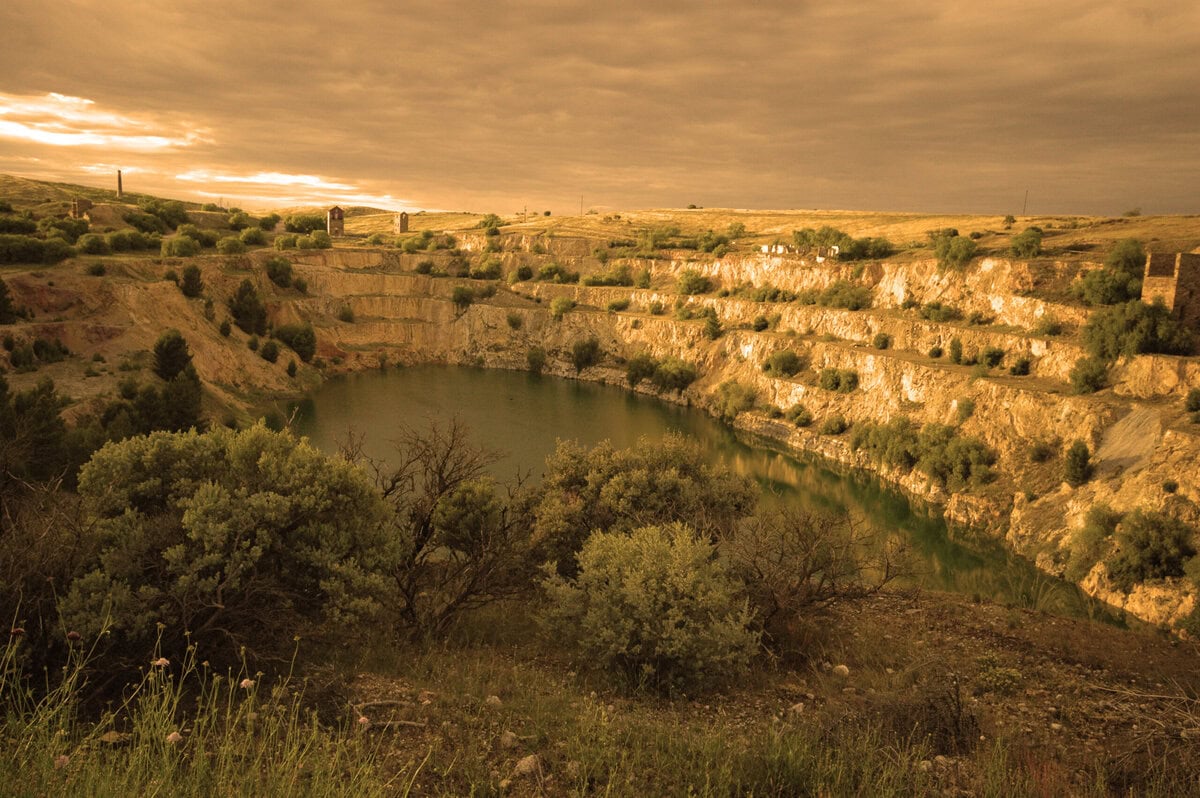
Burra Burra “Monster Mine”
The Burra Burra “Monster Mine” is the headline act. It operated from 1845 to 1877 and was once the largest mine in Australia. Even without a guided tour, it’s a compelling place to walk through and imagine the scale of what happened here and how it shaped the town.
Tip: If you’re doing a self-guided heritage loop, place this early in your route. It sets the context for the rest of Burra’s historic sites.
Burra’s copper mining heritage
Copper was discovered here in 1845, and Burra quickly became one of the defining mining towns of early South Australia. You’ll still see the legacy everywhere: mining structures, stone buildings, and the distinctive “built-to-last” architecture that makes Burra such a satisfying place to explore on foot.
Burra Heritage Passport
The Burra Heritage Passport provides access to many of the town’s most significant and preserved historic sites. Vist the Burra & Goyder Visitor Information Centre to obtain a key and independently explore locations that would otherwise remain closed.
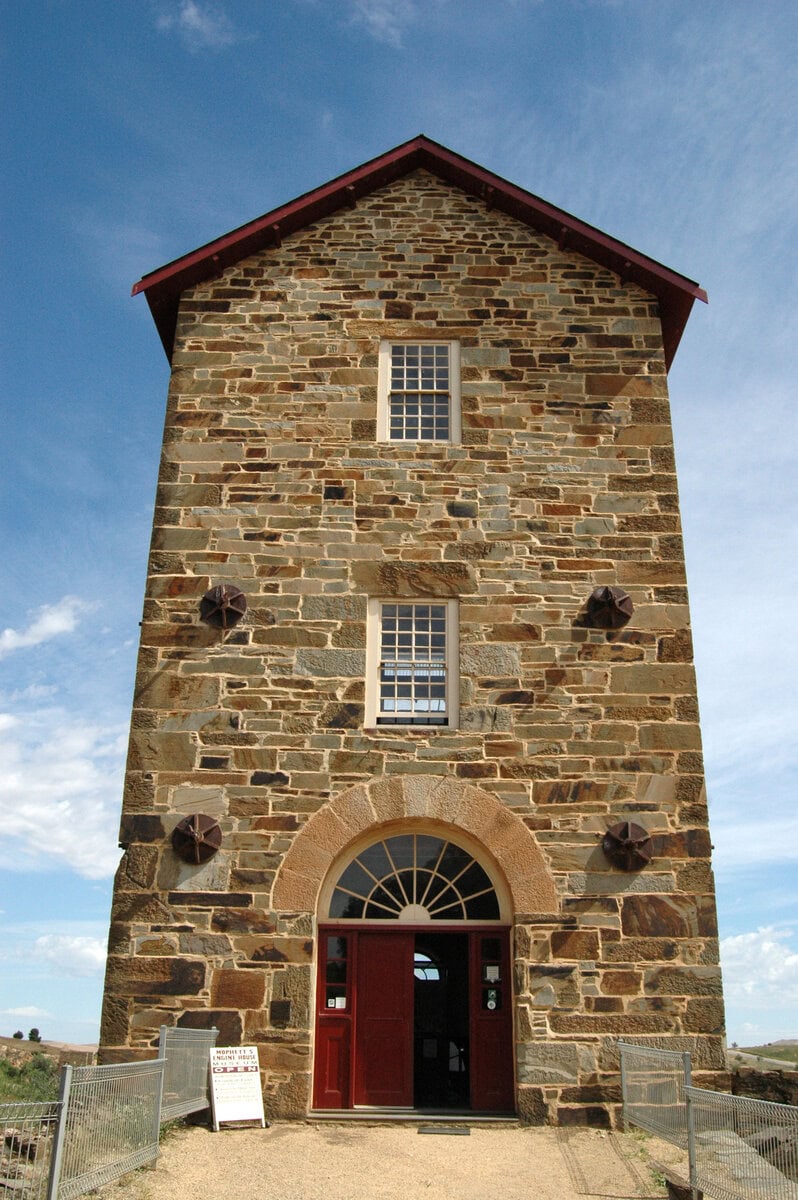
Highlights include the Monster Mine, where Burra’s copper boom began, and the imposing Redruth Gaol, the first gaol built outside Adelaide. The Passport also opens the Morphett’s Enginehouse Museum, the underground Unicorn Brewery Cellars, and the preserved Miners Dugouts along Burra Creek.
With nearly 50 heritage locations across the township, the Passport offers one of the most rewarding ways to experience Burra’s mining history and explore its best-known landmarks at your own pace.
Churches and the Cornish mining community
Burra’s churches are closely tied to the town’s copper mining origins and reflect the strong influence of the Cornish miners who settled here in the mid-1800s. Many brought their Methodist and Anglican faith with them, and as the mining community grew, churches became central to daily life, serving both spiritual and social roles for families living and working around the mine.
Several historic churches remain within easy walking distance of the town centre. Among them is St Mary’s Anglican Church, built in 1879 during the later years of Burra’s mining era. The church features remarkable stained glass windows crafted by Edward Brooks, South Australia’s first stained glass maker, and houses a rare 1905 J.E. Dodd pipe organ. Located directly opposite the Burra Motor Inn, it offers visitors a convenient opportunity to experience one of the town’s most historically significant and architecturally distinctive landmarks.
Burra Railway Station
Following the closure of the regional rail network in 1986, the Burra Railway Station entered a long period of decline. Once a busy transport hub, the station had played an important role in moving copper ore, wool, grain, livestock, supplies and passengers between Burra, Adelaide and other regional centres. Its closure reflected the broader shift away from rail across regional South Australia as road freight and private vehicle travel became dominant.
In recent years, the station has been carefully restored through the work of local volunteers, particularly the Friends of the Burra Railway Station. Their efforts have helped preserve the historic buildings and reconnect the site with Burra’s mining, agricultural and transport history. The restored station now gives visitors a clearer sense of how rail supported the town’s economic development, linking local industries with wider markets and helping Burra remain connected to the rest of South Australia.
Visitors can explore the restored station buildings, view interpretive displays and learn how transport, industry and natural history have shaped Burra’s development. Together with nearby mining sites, churches and civic buildings, the railway station forms part of a broader heritage landscape that reflects Burra’s evolution from a remote copper mining settlement into one of South Australia’s most historically significant regional towns.
The station also houses a Megafauna Fossil Display featuring remains discovered in the Burra and Baldina Creek region. Fossils of extinct giant animals, including Diprotodon australis, the giant emu Genyornis, and the marsupial lion Thylacoleo, reveal a much older chapter of the region’s history, long before European settlement. These discoveries, first documented in the late nineteenth century and later studied by the South Australian Museum and Flinders University, highlight the scientific significance of the area.
Town Hall displays and local collections
If you enjoy family history research, historic photographs, or “what life looked like back then” exhibits, allow time for the Town Hall’s displays and local collections. Inside you’ll find everything from World War I memorabilia and Masonic Lodge artefacts to pastoral history displays, Sir Hubert Wilkins material, and stories connected to Burra’s famous dugouts and mining community.
These collections add real depth to Burra’s streetscape and mining story, while also offering one of the town’s better bad-weather attractions for visitors exploring the Mid North.
Burra Regional Art Gallery
The Burra Regional Art Gallery is a worthwhile stop for local art and rotating exhibitions. It’s also a good “reset” between heavier heritage sites if you’re exploring on foot.
History, culture, and local stories
Burra’s history isn’t just mining. The broader region is layered with exploration stories, early pastoral life, transport heritage, and characters who somehow managed to do extraordinary things from very ordinary places.
Burra at a glance
- Copper discovered: 1845, sparking one of Australia’s earliest mining booms
- Monster Mine era: Burra became one of the nation’s most important copper towns
- Built to last: Cornish-influenced stone buildings still define the streetscape
- Heritage density: 50+ preserved sites across the township
- Easy to explore: many key attractions are close to the town centre
- More than mining: transport, pastoral life, and local stories shaped the region too
Beyond Burra: explore the wider Goyder region
Sir Hubert Wilkins and the Mount Bryan connection
The Goyder Region is closely connected to Sir Hubert Wilkins, one of Australia’s most remarkable explorers and a pioneer of polar aviation, photography, and scientific observation. Born near Mount Bryan, just north of Burra, Wilkins went on to take part in major early twentieth-century expeditions, including Arctic and Antarctic exploration and pioneering submarine journeys beneath polar ice.
Visitors can explore this connection through heritage displays, historical collections, and preserved buildings throughout the region, including Wilkins’ birthplace and interpretive material maintained by local historical organisations. These sites show how a rural South Australian upbringing helped shape a figure who achieved international recognition.
The surrounding Mount Bryan district also reflects the pastoral and settlement history that formed the backdrop to Wilkins’ early life, offering insight into the landscapes and communities that influenced one of Australia’s most accomplished explorers.
Goyder’s Line: where settlement meets landscape
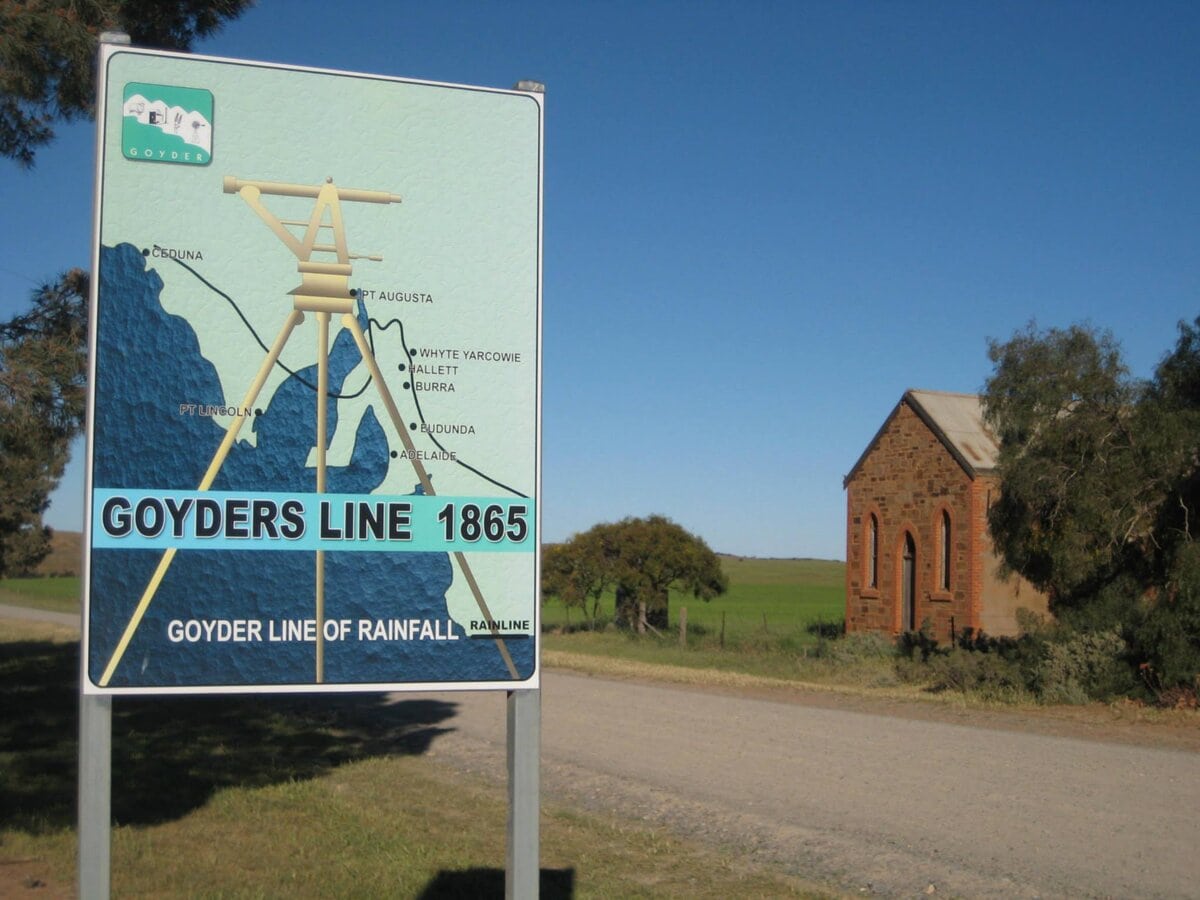
Burra lies close to Goyder’s Line, the historic boundary identified in the 1860s by Surveyor-General George Goyder to define the limits of reliable agricultural land. This line marked the transition between higher-rainfall farming country to the south and the drier pastoral regions beyond, and it continues to influence land use across South Australia today.
The area around Burra provides a clear and accessible example of this transition, where productive farmland gradually gives way to open grazing country and broader Mid-North landscapes. Travelling through the region reveals the practical impact of climate and geography on settlement patterns, agriculture, and infrastructure.
Goyder’s Line has become both a historic reference point and a cultural landmark, representing the relationship between environment and human settlement. It remains an important part of understanding the development of rural communities throughout the Goyder Region and the wider Mid-North.
Natural landscape, scenic routes and trails in Burra and the Goyder Region
Heysen Trail
The Heysen Trail passes directly through the Burra and Goyder Region, linking classic Mid-North landscapes including World’s End Gorge, Dare’s Hill Summit, Wandallah, and the ranges between Burra and Hallett. Several trail sections are easily accessed from Burra itself, making it possible to experience part of this iconic long-distance route without committing to extended hiking.
Local highlights include the World’s End section, known for its rugged creek valley scenery, and the Dare’s Hill Summit area, which offers elevated views across farmland and open pastoral country. These sections showcase the contrast between Burra’s mining heritage and the surrounding natural environment, providing memorable viewpoints within a short drive of town.
Even a short walk along the trail gives a real sense of the region’s scale and quiet character, particularly in the cooler months when conditions are most comfortable.
Mawson Trail
The Mawson Trail passes through the wider Goyder Region and is one of Australia’s best-known long-distance cycling routes, connecting the Mid-North with the Flinders Ranges. Sections near Burra, Hallett, and Booborowie follow quiet backroads, farmland, and historic corridors that reflect the region’s agricultural and pastoral history.
Visitors don’t need to cycle the full route to enjoy it. Short segments can be explored on foot or by vehicle, offering access to scenic rural landscapes, historic townships, and the open country that defines this part of South Australia.
The trail provides another perspective on the region, linking Burra with surrounding communities and highlighting how geography shaped settlement, transport, and daily life across the Mid-North.
Dare's Hill Circuit
The Dare’s Hill Circuit is a 91-kilometre self-guided scenic drive through the heart of the Goyder Region, linking historic settlements, early pastoral country, and elevated Mid-North viewpoints. Starting near Mount Bryan or Hallett, the route passes significant sites including the restored birthplace of polar explorer Sir Hubert Wilkins at Mount Bryan East, the historic railway town of Hallett, and early pastoral stations that helped establish South Australia’s merino wool industry.
Historic highlights along the route include the ruins of Piltimitiappa Homestead, founded by pastoralist William Dare after returning from the goldfields, and Ketchowla Station, an important early settlement site with cultural significance to both European settlers and the Ngadjuri Walpa Juri people. The drive also passes through Collinsville Merino Stud, one of Australia’s most renowned sheep studs and a cornerstone of the national wool industry.
The circuit crosses Goyder’s Line, the historic rainfall boundary identified in 1865 that determined where cropping could be sustained. Visitors will see clear transitions in landscape, from cultivated farmland to open grazing country, along with remnants of early settlement including stone ruins, old rail infrastructure, and pastoral homesteads.
For detailed route information, seasonal conditions, and access guidance, including areas that pass through private property, visitors should refer to the official Dare’s Hill Circuit guide before travelling.
World’s End Driving Trail
The World’s End Driving Trail is a 237-kilometre scenic circuit beginning and ending in Burra, exploring the rugged landscapes, historic towns, and pastoral country of the Goyder Region and Mid-North. The route passes through rolling farmland, quiet backroads, and dramatic gorge country that reflects the natural and agricultural history of the region.
A highlight of the journey is World’s End Reserve (Burra Creek Gorge), where shaded walking tracks, rock formations, and permanent waterholes offer a peaceful place to stop and explore. The circuit also connects Burra with nearby towns including Eudunda, adding cultural and heritage interest to the drive.
Allow time, take it steady, and enjoy the sense of scale, isolation, and quiet character that define this part of South Australia. Maps, audio tours, and visitor guidance are available via the official guide linked above.
Colin Thiele Drive
The Colin Thiele Drive is a 25-kilometre self-guided scenic route beginning in the historic town of Eudunda, tracing the landscapes that inspired one of South Australia’s most celebrated authors. Best known for works such as Sun on the Stubble and The Valley Between, Colin Thiele drew directly from the farming communities and Mid-North countryside that shaped his early life.
The drive begins at the Eudunda Family Heritage Gallery and follows quiet rural roads through farmland and historic districts, with interpretive stops including the ‘Gustav & his Dog’ markers that reflect characters and stories drawn from local heritage. Visitors can also see the Colin Thiele sculpture at Eudunda Centenary Gardens, recognising his literary legacy and connection to the region.
This short driving trail offers a unique perspective on the Goyder Region, combining rural scenery, cultural history, and literary heritage. Maps and additional information are available via the official guide and the Discover Goyder app, allowing visitors to explore the route at their own pace.
Red Banks Conservation Park
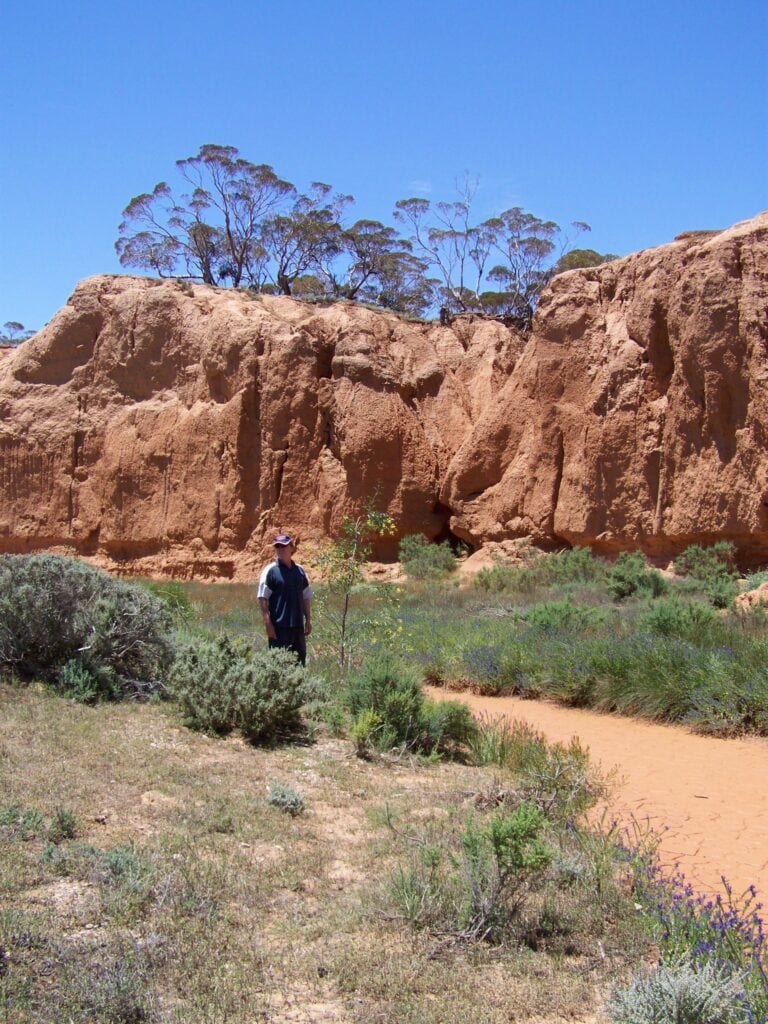
Red Banks Conservation Park is known for dramatic red cliff formations and its megafauna fossil significance (including Diprotodon discoveries). It’s a strong option when you want something visually striking and distinctly “South Australian” outside the township.
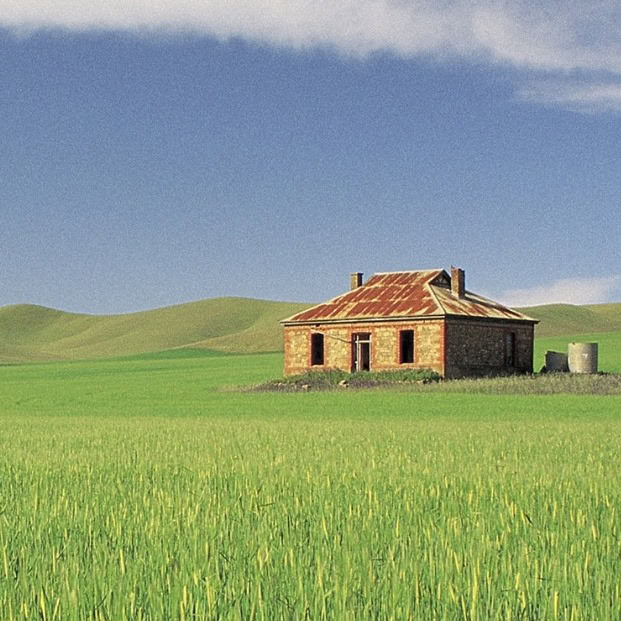
Midnight Oil House
Midnight Oil House, located approximately 3 kilometres north of Burra on the Barrier Highway at Cobb and Co Corner, is one of Australia’s most recognisable rural ruins. The abandoned stone cottage rose to national prominence after being photographed by renowned landscape photographer Ken Duncan and later featured on the cover of Midnight Oil’s iconic 1987 album Diesel and Dust.
Since then, the site has become a popular stop for visitors interested in Australian music history, photography, and the stark beauty of the Mid-North landscape. Its weathered stone walls and isolated setting capture the atmosphere that made it such a powerful and enduring image.
Visitors may stop briefly for photographs, but should take care when pulling over on the Barrier Highway and remain behind the fence, as the structure is unsafe to enter and located on private property.
Caroona Creek Conservation Park
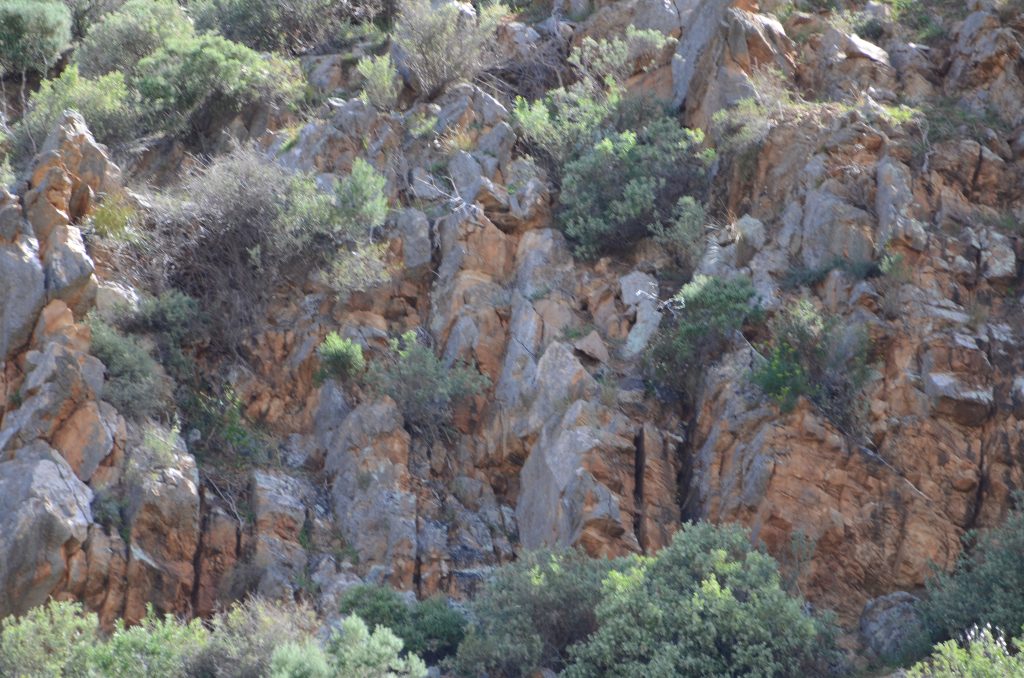
Caroona Creek Conservation Park, located between Hallett and Mount Bryan East, protects over 54 square kilometres of rugged Mid-North landscape, including rocky ridges, open plains, and the striking Tourilie Gorge. The park marks the transition between the Mid-North hills and the northern gorge country leading toward the Flinders Ranges.
The Heysen Trail passes through the park, with walking routes, camping huts, and scenic viewpoints offering opportunities to experience native vegetation, birdlife, and expansive rural landscapes. Its remote setting and geological features provide a clear sense of the natural environment that shaped settlement across the Goyder Region.
The park is most easily accessed via the signed route from Hallett via Mount Bryan East Road. Visitors should be aware that roads are unsealed and conditions can vary depending on weather. Mobile reception may be limited, and access may be restricted during periods of extreme fire danger or following heavy rain.
Before travelling, visitors are encouraged to check current park conditions and ensure they are adequately prepared for regional travel.
Inspiration Point
Inspiration Point is a scenic lookout south-west of Robertstown, offering expansive views across the rolling farmland and open landscapes of the Goyder Region. Located at the top of Scenic Hills Road, the lookout provides a clear perspective on the scale and character of South Australia’s Mid-North, with uninterrupted views stretching across pastoral country and distant ridgelines.
The site includes picnic facilities, making it an ideal place to pause and take in the surrounding landscape. The elevated position highlights the agricultural patterns and natural contours that have shaped settlement in this region for generations.
Inspiration Point is also a well-known highlight of the Eudunda–Robertstown cycling loop, and can be reached by vehicle via Robertstown and Scenic Hills Road. Visitors are rewarded with a peaceful setting and one of the most impressive panoramic viewpoints in the wider Burra and Goyder Region.
For current access information and visitor guidance, refer to the official Inspiration Point guide.
Short walks
The Goyder Region offers a number of excellent self-guided heritage walks, allowing visitors to explore the region’s mining and settlement history on foot. These easy walks follow clearly marked routes, with maps and brochures available to guide visitors along the way.
In Burra, the Burra Mine and Burra Smelting Works walks guide visitors through the remains of one of Australia’s most significant copper mining operations, with preserved structures and interpretation revealing the scale and importance of Burra’s mining past. Both walks are easily accessible and suitable for most visitors.
Nearby towns also offer rewarding short walks. The Booborowie History Walk explores the development of this rural community, while the Terowie History Walk features historic buildings, railway heritage, and museums including the Terowie Pioneer Gallery, with maps available from the Terowie Visitor Information Centre.
These walks provide an easy and rewarding way to experience the landscapes, heritage, and quiet character that define the Goyder Region.
Additional heritage and scenic walks throughout the wider Mid-North and Clare Valley can be found on the Walking SA website, offering further opportunities to explore the region at your own pace.
Visitors can also explore community landmarks such as the Farrell Flat Silos, featuring striking large-scale public artwork celebrating the Mid-North’s railway and agricultural heritage, or the Goyder Interpretive Garden in Robertstown, which highlights the region’s landscape and settlement history.
More local points of interest can be found throughout Burra and the wider Goyder Region. Visit the Visit Burra Attractions directory for a full overview.
Nearby towns and day trips
Terowie and regional rail heritage towns
Peterborough and Steamtown
Mintaro
Clare Valley wine region
The Clare Valley is around half an hour from Burra, making it an easy and rewarding day trip for cellar doors, long lunches, and scenic regional drives. Known internationally for its Riesling and relaxed country atmosphere, the valley offers a mix of boutique wineries, historic towns, and quiet rural landscapes.
Beyond wine tasting, visitors can explore heritage streetscapes, cycling routes such as the Riesling Trail, local produce outlets, and relaxed dining options ranging from casual cafés to destination restaurants. The short driving distance means you can enjoy the region without the crowds or higher accommodation demand often found within the valley itself.
Staying in Burra provides a quieter and more spacious base while keeping the Clare Valley comfortably accessible. Planning tip: If you’re touring wineries, consider a later check-in or a two-night stay so you can explore the region at a relaxed pace without feeling rushed.
Burra on screen: film and media locations
Burra and the wider Goyder Region have attracted filmmakers for decades thanks to their preserved stone architecture, historic streetscapes, and distinctive Mid-North landscapes. The area’s authentic heritage character makes it especially suitable for historical dramas, Australian stories, and productions seeking original rural settings.
Notable productions connected to the region include Breaker Morant, The Water Diviner, and more recently The New Boy, which was filmed within the Goyder Region. These productions have drawn on the area’s historic buildings, open landscapes, and period-accurate settings to represent locations from colonial Australia through to the early twentieth century.
Burra itself has also featured directly in productions such as Wolf Creek 2, including within the historic Unicorn Brewery Cellars, where original underground tunnels and chambers were used as filming locations. Today, visitors can still recognise many of these authentic locations while exploring the town and surrounding region.
Burra Skate Park
Located directly beside Burra Motor Inn, the recently upgraded Burra Skate Park provides a modern, well-designed recreational space suitable for children, teenagers, and families. The facility includes a contemporary skate area, nature-based play structures, shaded seating, and landscaped picnic areas complete with public barbecue facilities.
Its immediate proximity makes it especially convenient for families travelling with children, allowing easy access to outdoor activity without needing to drive. The park is well maintained and integrated into the town’s broader recreational precinct, reflecting Burra’s strong community focus and welcoming atmosphere.
For guests staying with us, it’s simply another example of how Burra combines historic character with modern amenities in a relaxed, safe regional setting.
More things to see and do in and around Burra
Burra sits at the heart of the Goyder Region, making it an ideal base for exploring historic towns, scenic drives, walking trails, and uniquely South Australian heritage landscapes.
- Family history research: Burra is widely recognised for its rich genealogical resources, particularly relating to Cornish mining families and early South Australian settlement. Cemetery records, church archives, local museums, and historical collections at the Burra Community Library and heritage organisations provide valuable material for visitors researching family connections.
- Creekside walks and picnic spots: Enjoy a peaceful walk or picnic beside Burra Creek at Thomas Pickett Reserve, where shaded lawns, a duck pond, and quiet surroundings make it a favourite local retreat. For a more natural setting, the nearby World’s End Gorge camping ground and newly Park offers spectacular views, scenic walking trails, and a well-equipped camping ground—ideal for a relaxed day outdoors.
- Antiques and local collectables: Browse Burra’s antique stores and collectable shops, long known for unique finds reflecting the town’s rich pastoral and mining heritage.
- Gardens, events, and festivals: Seasonal events such as the Goyder Open Gardens and regional exhibitions attract visitors throughout the year. For current events and visitor information, see visitburra.com.au..
- Golf: Enjoy a relaxed round at the scenic 18-hole Burra Golf Course, known for its welcoming atmosphere and picturesque Mid-North setting.
- Explore nearby historic towns: Within easy driving distance are Terowie, Hallett, Mount Bryan, Farrell Flat, Riverton, and Peterborough—each offering distinctive heritage, architecture, and regional character.
Whether you’re researching family connections, enjoying quiet creekside walks, exploring historic townships, or simply taking in the landscapes of South Australia’s Mid-North, Burra provides a central and convenient base.
Make Burra Motor Inn your base for exploring the Mid-North
Burra is ideally located for exploring South Australia’s Mid-North, whether you’re here for mining heritage, walking trails, scenic drives, or a Clare Valley wine run. Staying in Burra gives you immediate access to the township’s historic attractions while keeping regional highlights comfortably within day-trip distance.
Book direct for the best available rates and flexible room options.
Parking: Travelling with a camper or trailer? Check our Parking Guide before heading out to explore.
Weather: For live on-site conditions and forecasts across Burra and the Goyder region, visit our Burra weather page to plan walks, drives, and day trips.
Would you like to know more?
Explore our curated guide for additional insight into some key attractions across the Goyder Region, or follow us on Facebook for local events, seasonal highlights, weather photography and our growing archive of places, attractions and stories from Burra and beyond.
Nearby historic sites and attractions
Many of Burra’s most important historic sites are located within close proximity to Burra Motor Inn. The map below highlights key attractions including the Burra Burra “Monster Mine”, Market Square, the Burra Railway Station, museums, heritage streetscapes, and the Burra Creek precinct.
Most locations are only a short distance away, making it easy to explore the township at your own pace by car or on foot, depending on your preference. This central location allows you to experience Burra’s mining heritage, historic architecture, and cultural landmarks without needing to travel far.
The Clare Valley Wine Region is a short, half hour drive from Burra
The Clare Valley wine region is just a comfortable 30–40 minute drive from Burra, making it ideal for a relaxed day trip. The route below shows the direct connection between Burra and Clare, passing through classic Mid-North landscapes and historic rural townships.
Staying in Burra allows you to enjoy cellar doors, scenic drives, and regional dining, while returning to a quieter base at the end of the day.