Attractions
Our many attractions, things to see & do when you visit Burra
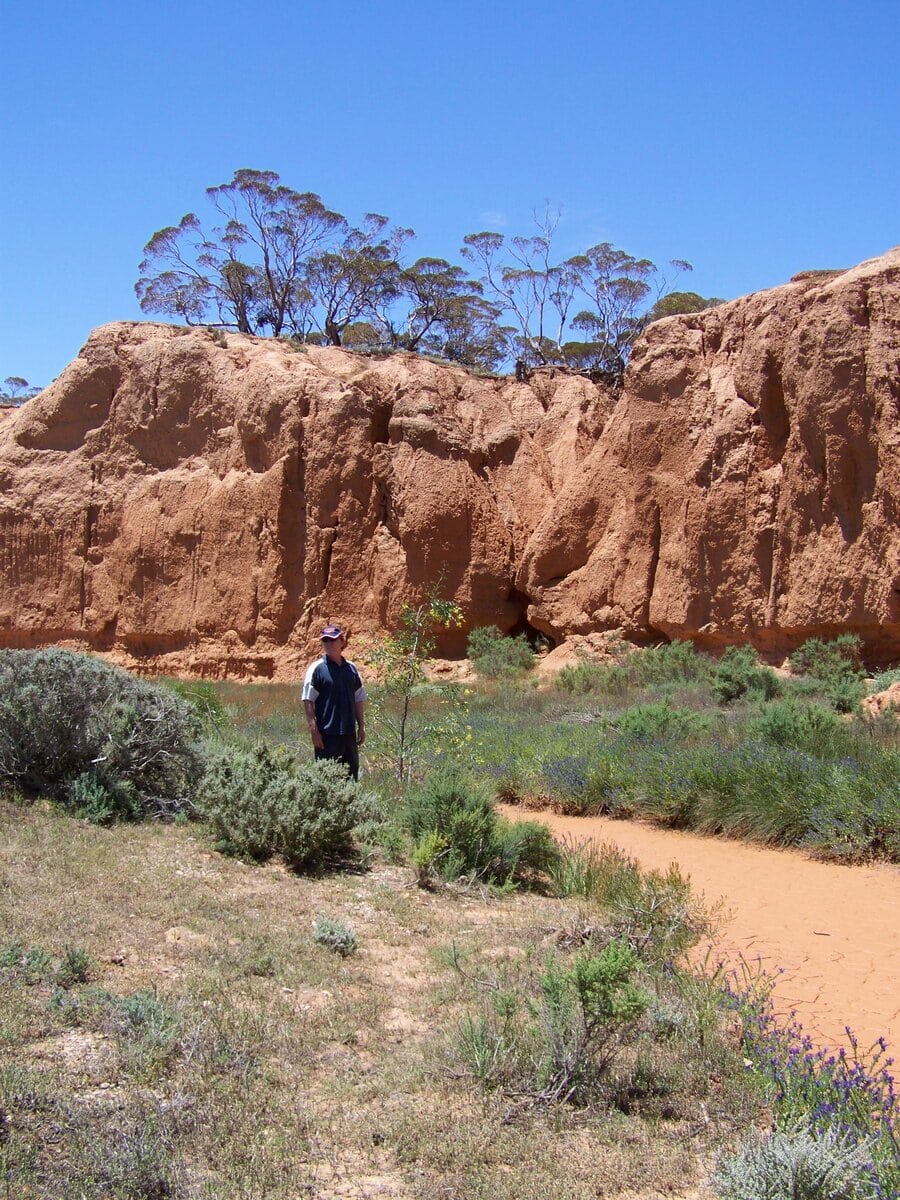
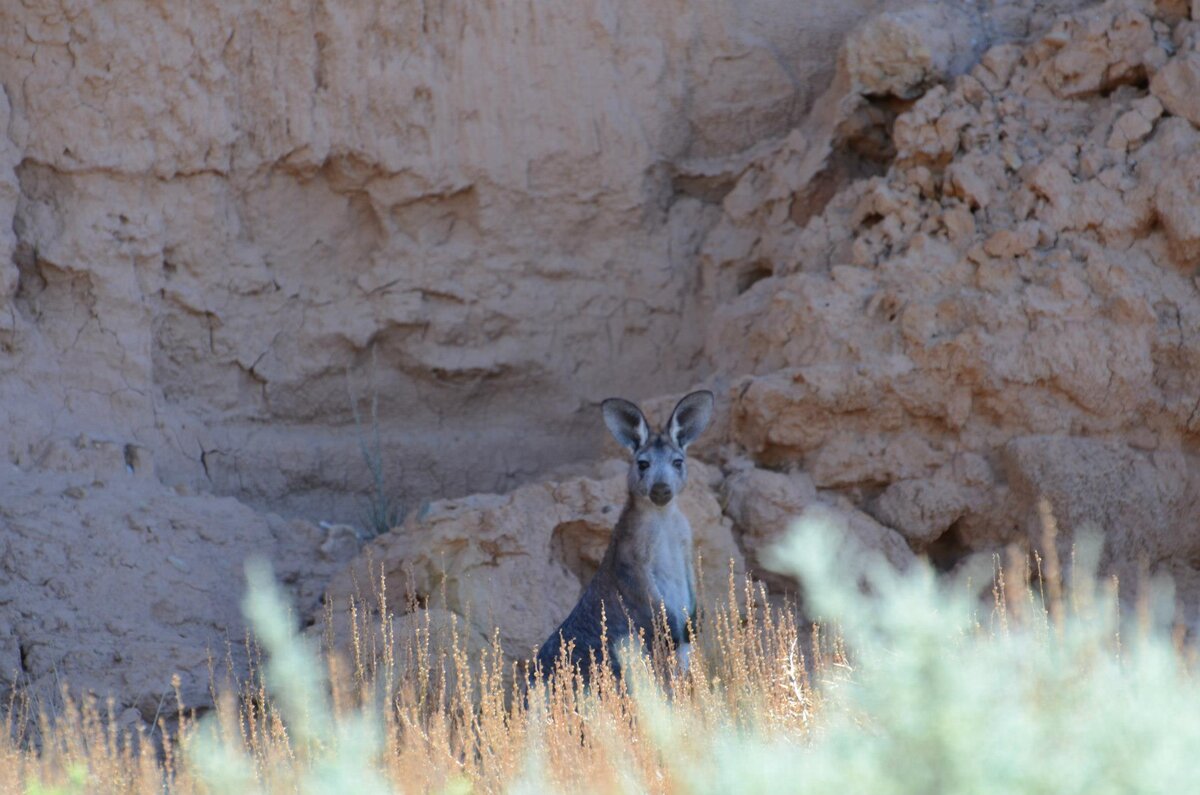
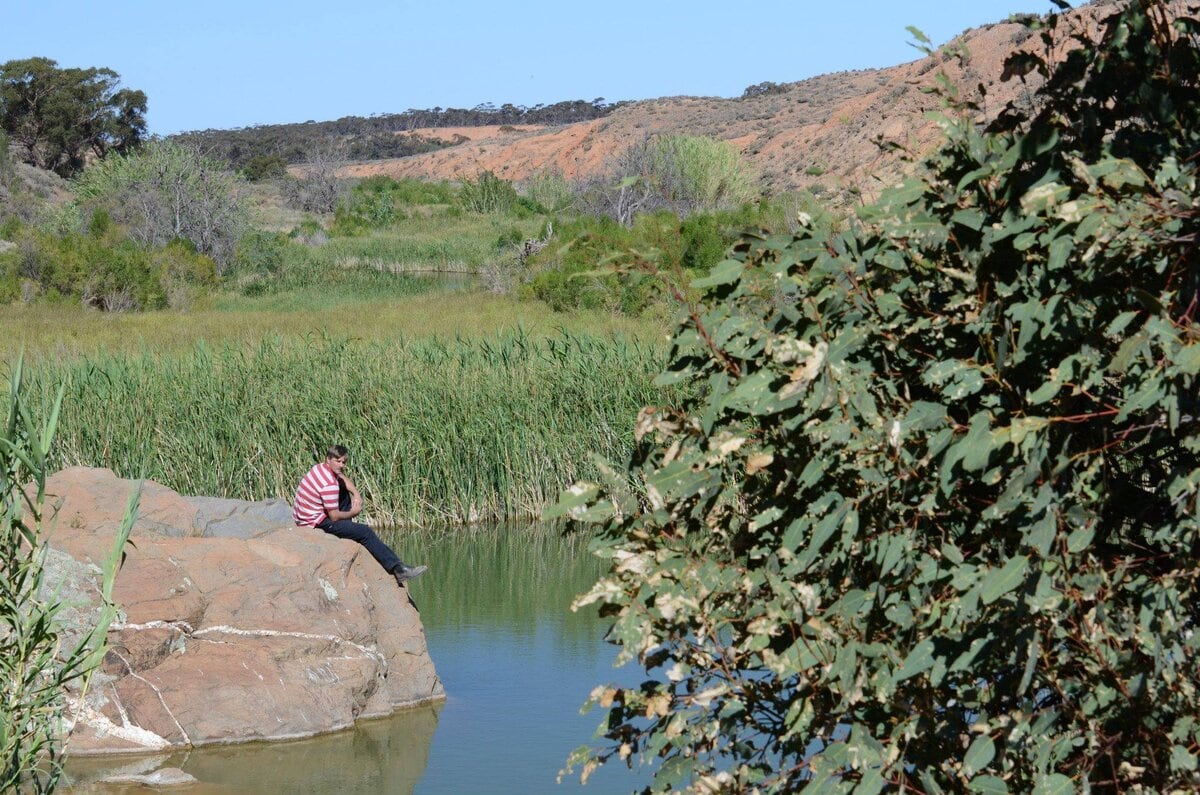
Local Landscapes
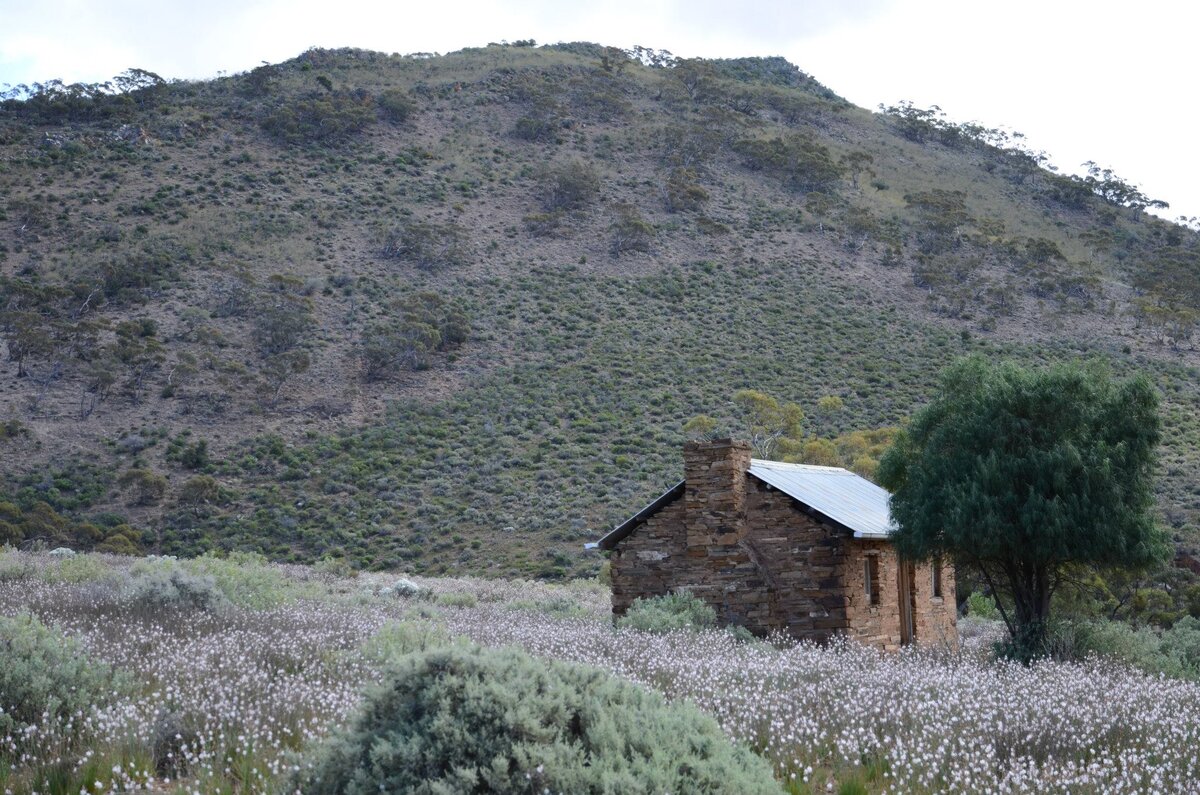
Throughout the Goyder Region in South Australia we are blessed to see extraordinary examples of Australian History; Aboriginal Rock Art, homestead ruins that tell a story of times past, palaeontological sites where fossils of giant diprotodons have been discovered (kind of like a giant wombat), and so much more…
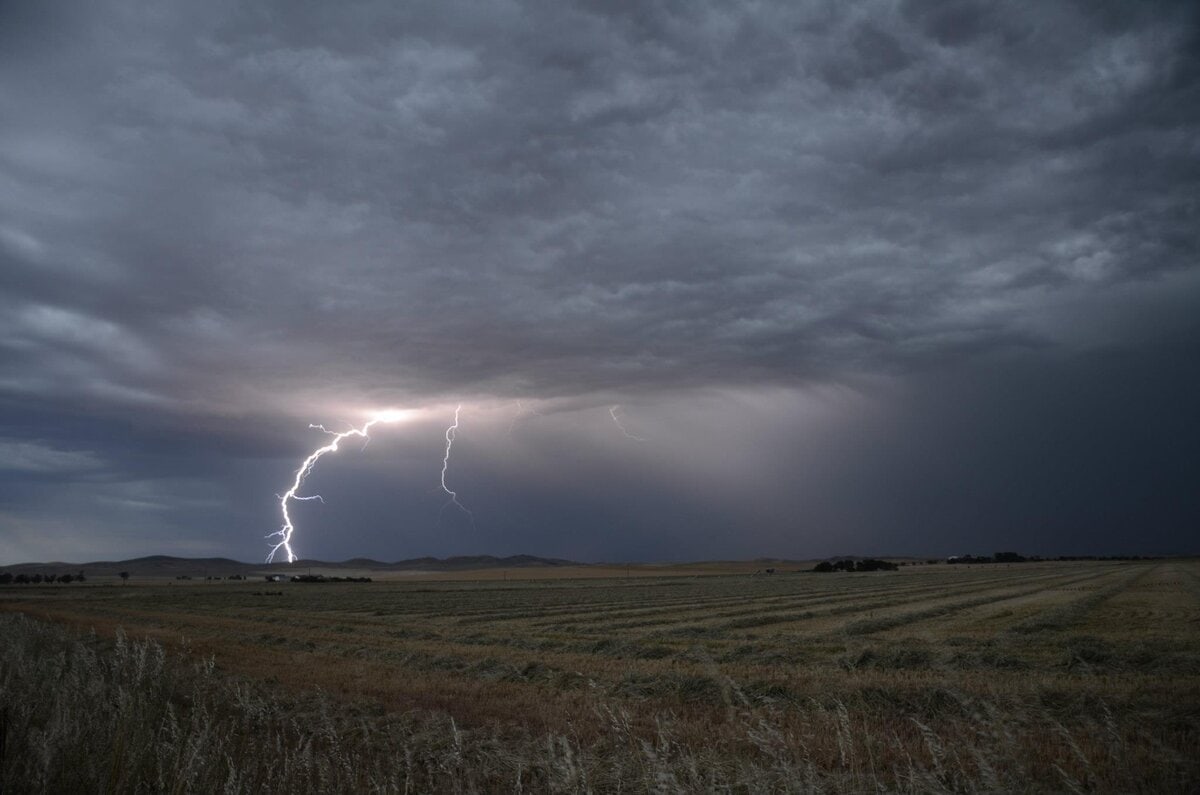
Amongst the Spectacular landscapes, discover how local pioneers tried to tame these great lands, not always with great success. See the incredible transformation of the countryside as you drive through and observe different styles of farming as you cross over the Goyders Line.
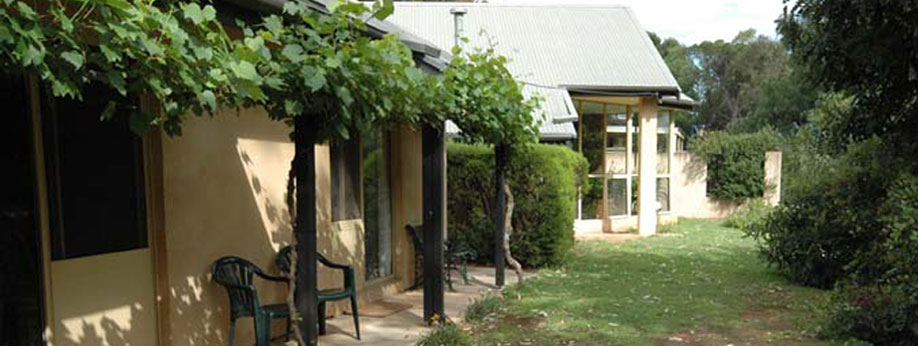
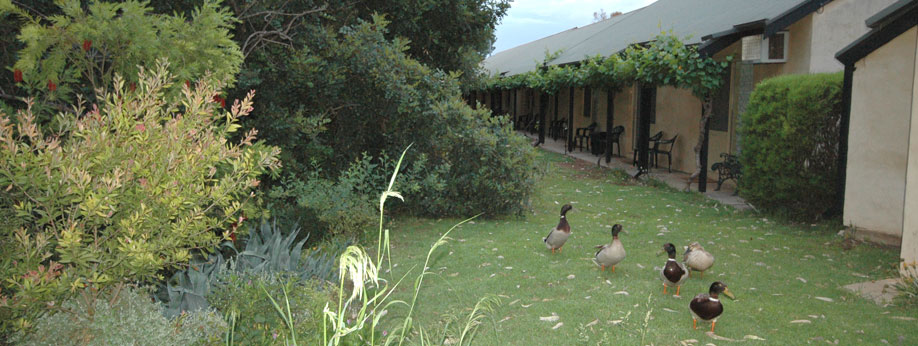
When you are done exploring the region for the day, return to relax and unwind in a local eatery before retiring to a clean, comfortable motel room at Burra Motor Inn.
Diprotodons
Fossil remains of diprotodons have been discovered throughout South Australia, including in the Mid North and Flinders Ranges, suggesting they once grazed the ancient plains that now form the Goyder districts. Their presence in the area adds a deep-time layer to the region’s natural history, predating European settlement by tens of thousands of years.
Some Aboriginal Dreaming stories are thought to reference creatures like diprotodons, passing down echoes of a time when megafauna roamed the land.
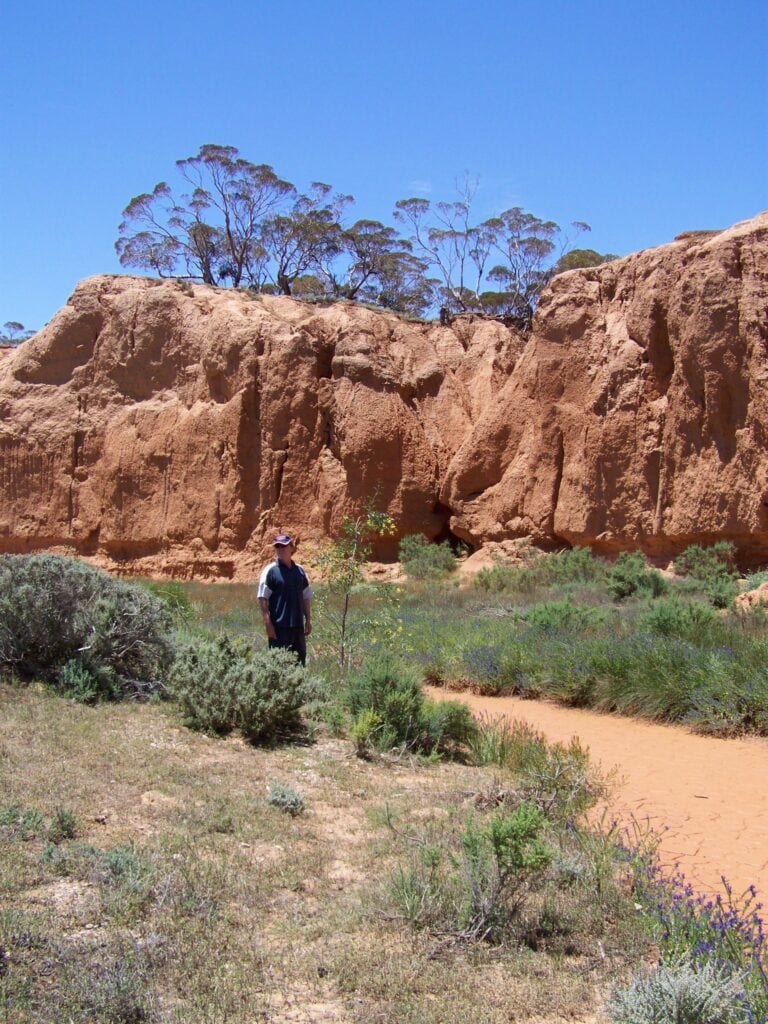
Red Banks Conservation Park near Burra, South Australia, is one of the most significant diprotodon fossil sites in the country. It provides a unique window into Australia’s prehistoric past, showcasing how megafauna like diprotodons lived, and eventually died out, in the Mid North region.
Some of these fossil discoveries, including diprotodon remains and interpretive displays about the region’s prehistoric past, can be viewed inside the beautifully restored Burra Railway Station. The display was developed with assistance from the South Australian Museum and Flinders University, while the station itself has been carefully restored and maintained by the volunteer-run Friends of the Burra Railway Station group.
The station has gradually become more than just a preserved railway building. Alongside railway history, it now houses local fossil displays, environmental exhibits, heritage collections and community projects that help tell the broader story of the Mid North region.
Pygmy Blue Tongue Lizards
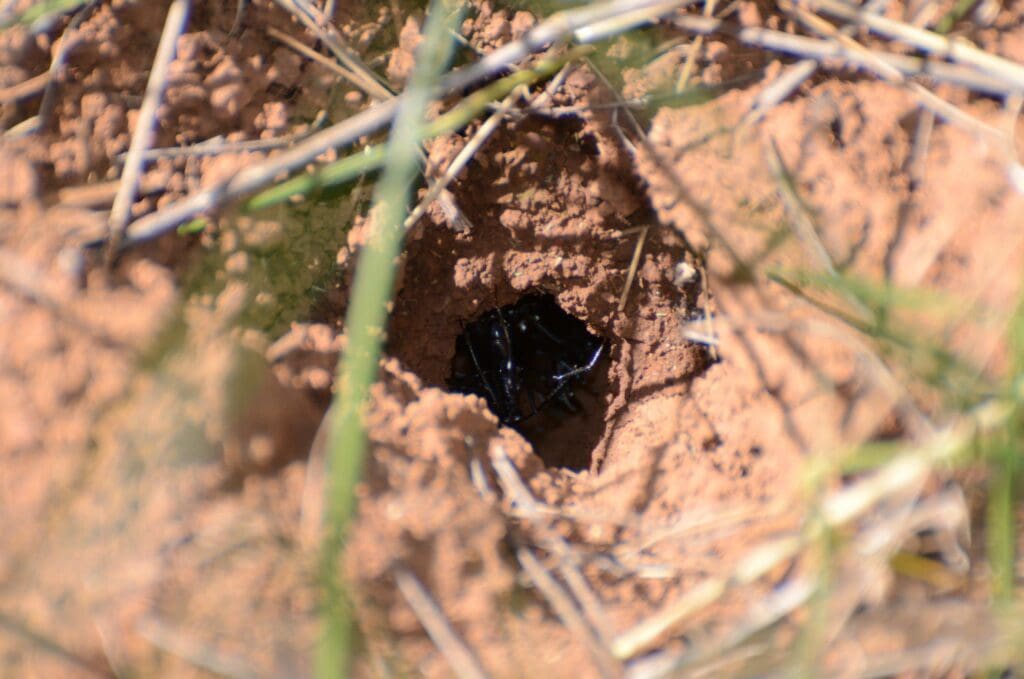
Tiliqua Nature Reserve near Burra, South Australia.
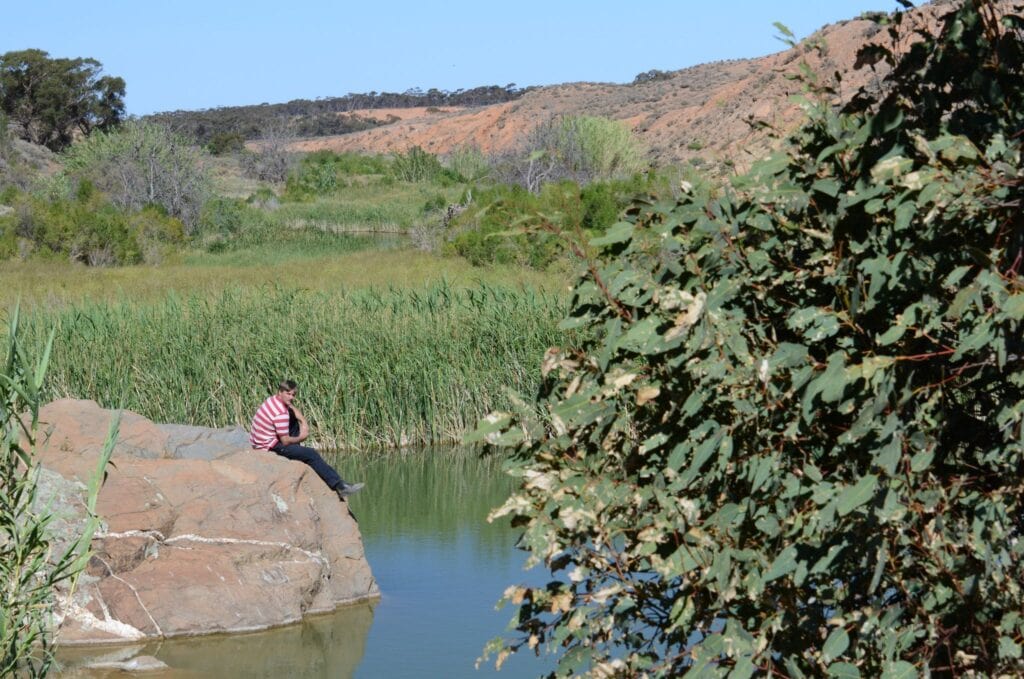
Established to help protect the endangered Pygmy Bluetongue Lizard and its fragile native grassland habitat, Tiliqua Nature Reserve is not normally open to the public, but visitors can occasionally access the property through volunteer conservation and open-day events organised by the Nature Foundation.
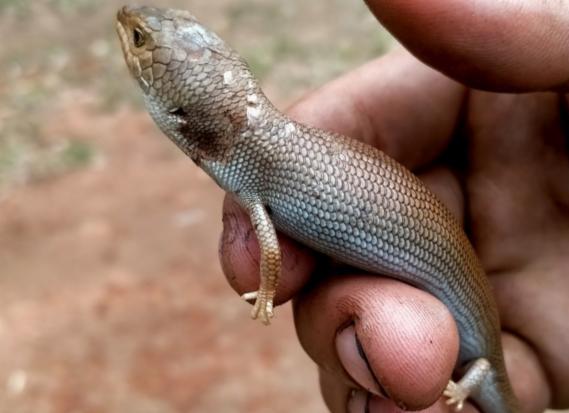
The Mid North region is also known for the Pygmy Bluetongue Lizard, one of Australia’s rarest reptiles. Once believed extinct, the species was rediscovered near Burra in 1992 after decades without confirmed sightings.
Unlike the larger bluetongues commonly seen around suburban gardens, pygmy bluetongues are small, secretive grassland reptiles that spend much of their lives sheltering in abandoned spider burrows throughout the native plains of South Australia.
The rediscovery of the species near Burra became internationally significant within conservation and scientific circles, leading to ongoing research and habitat protection efforts across the region. The species later gained wider international attention through BBC documentaries featuring Sir David Attenborough and research led by Professor Mike Bull, whose long-running research program near Burra helped bring international attention to the tiny lizard and its fragile native grassland habitat.
Unlike the larger bluetongues commonly seen around suburban gardens, pygmy bluetongues are small, secretive grassland reptiles that spend much of their lives sheltering in abandoned trapdoor spider burrows within remnant native grasslands of South Australia’s Mid North.
Today, the pygmy bluetongue is closely associated with the Mid North and surrounding native grassland ecosystems, becoming one of South Australia’s more unusual conservation success stories.
Visitors interested in local natural history can also see displays relating to the Pygmy Bluetongue conservation program at the historic Burra Railway Station, alongside regional fossil and environmental exhibits maintained by the Friends of the Burra Railway Station volunteer group.
Goyders Line
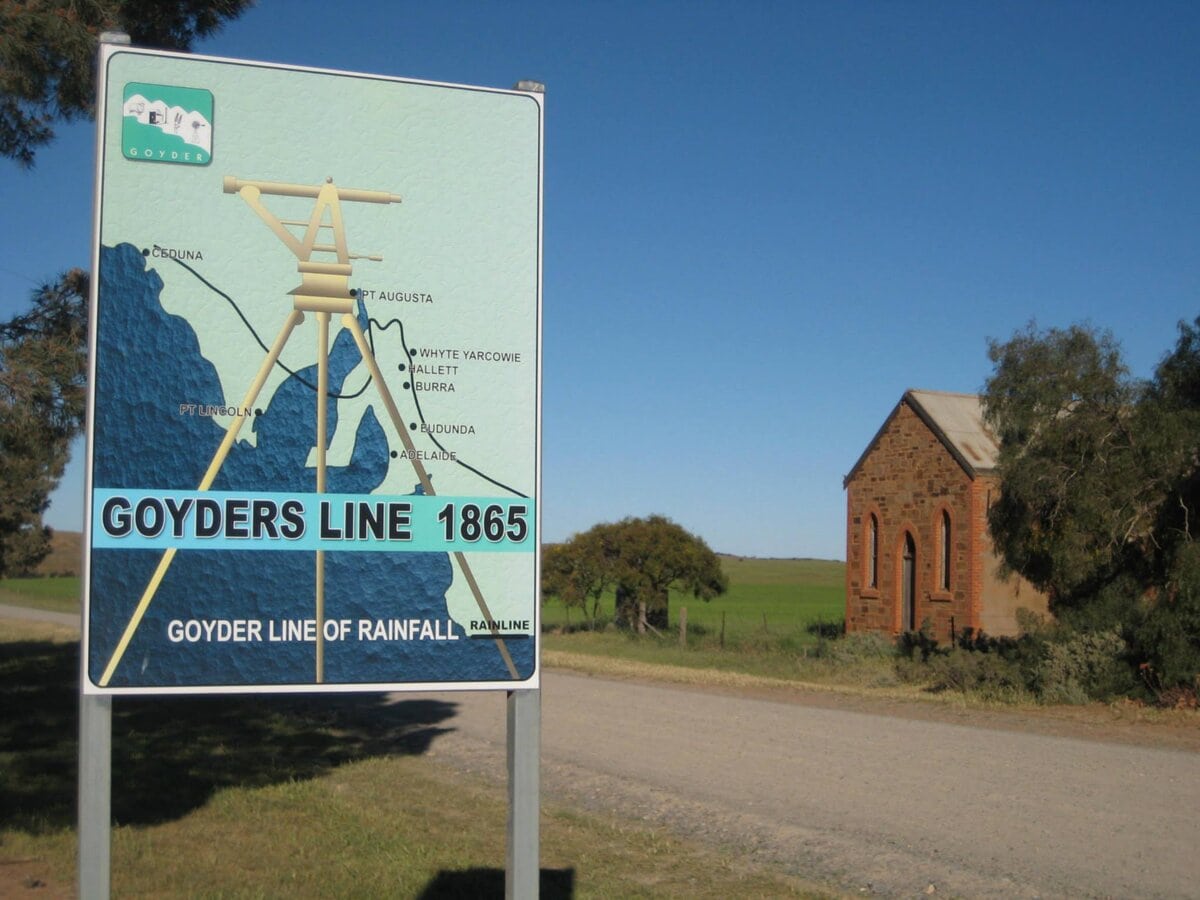
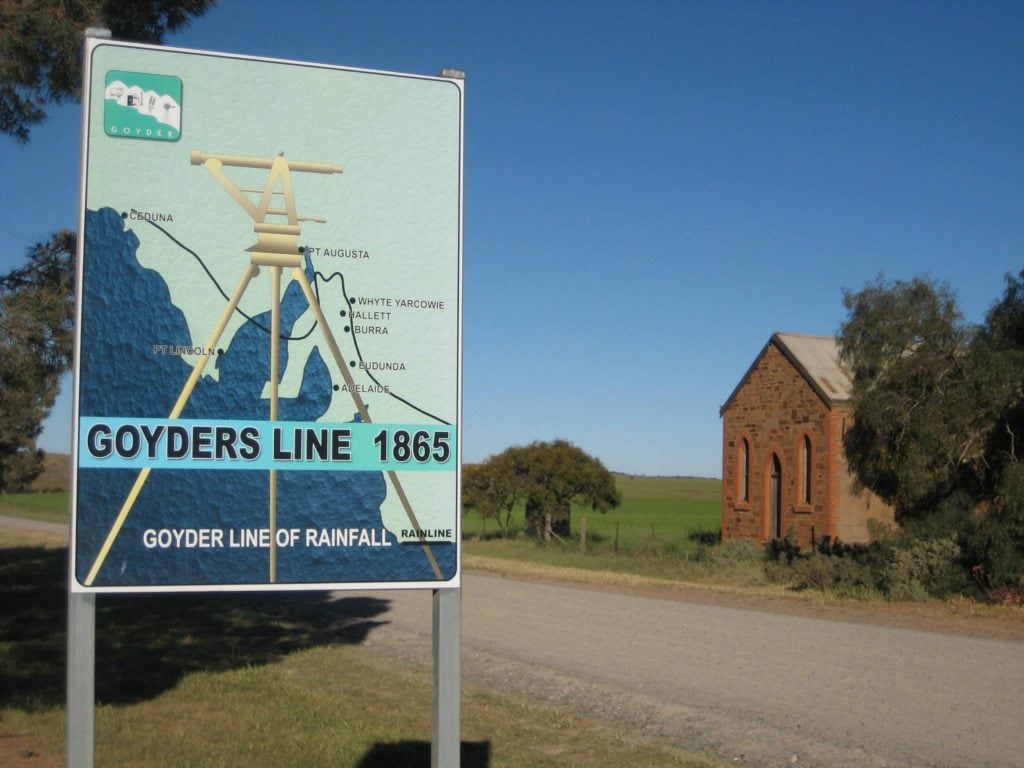
Goyder’s Line is one of South Australia’s most significant environmental and historical boundaries. Drawn in 1865 by then-Surveyor-General George Goyder, the line marks the limit of reliable rainfall for sustainable farming, particularly cropping, in the state’s arid interior.
After years of severe drought, Goyder was tasked with mapping areas where agriculture was viable. He concluded that areas south of the line received enough rainfall to support crop farming, while land to the north was more suited to pastoralism (grazing) only.
Remarkably, Goyder’s Line has stood the test of time, Over 150 years later, it still accurately reflects where dryland farming is risky or unsustainable. It’s often considered one of the most enduring examples of applied environmental science in Australian history.
Burra & the Monster Mine
There is so much to explore within the historic township of Burra.
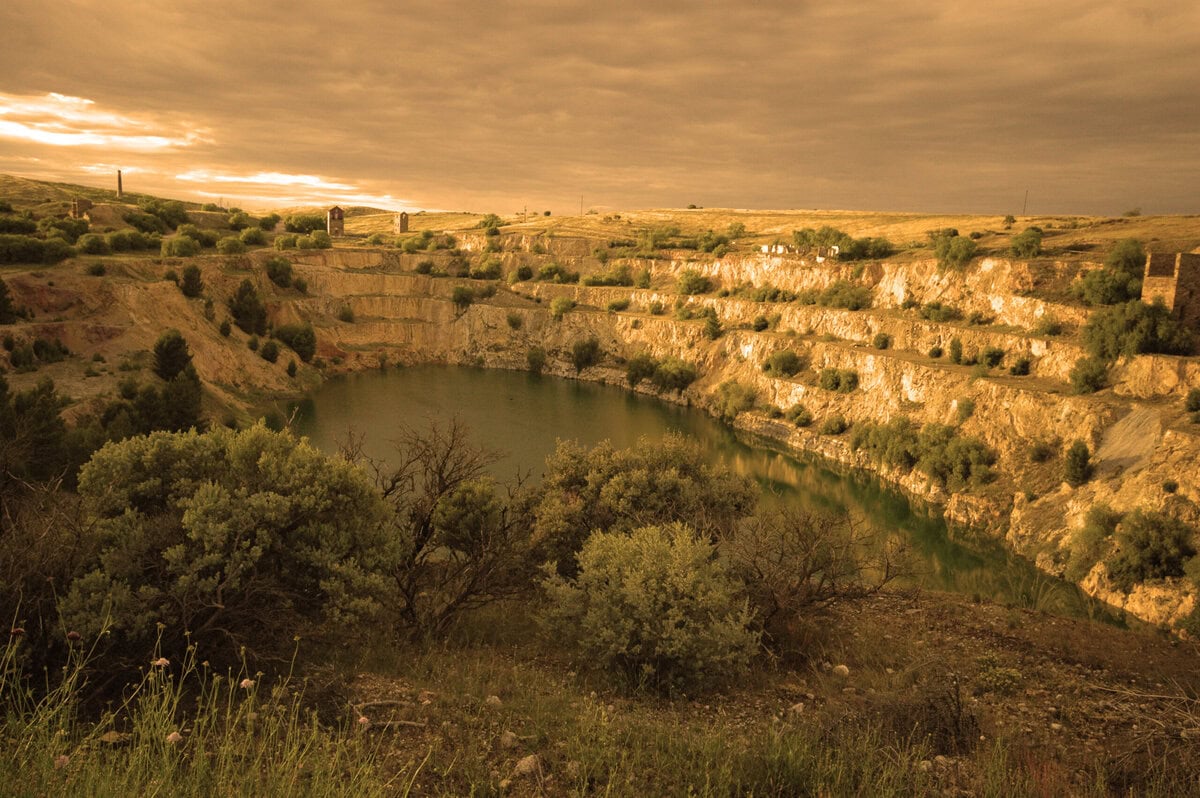
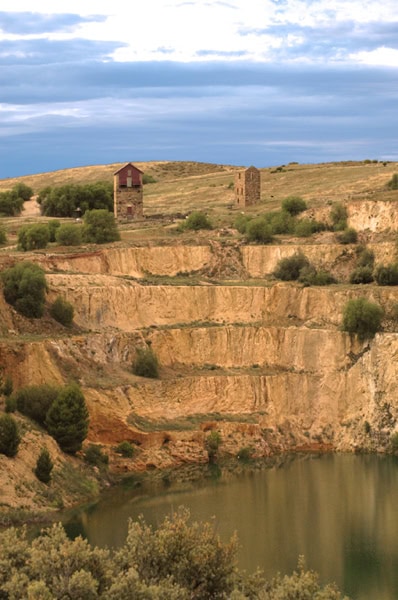
Explore the Burra Burra Monster Mine — the historic copper mine that gave the town its name. When copper was discovered here in 1845, South Australia was on the brink of financial collapse. But the find sparked a mining boom, and the Monster Mine soon became the largest metal mine in Australia, helping to rescue the colony’s economy.
Its success contributed to Australia becoming the world’s leading copper producer at the time. As the mine flourished, so did Burra, growing rapidly to become the fifth largest inland town in Australia during the 19th century.
Burra Town Hall
Burra Town Hall is one of those places that quietly surprises people. From the outside, it looks like a beautiful historic civic building, but inside it has evolved into a fascinating mix of museum, archive, exhibition space and community gathering place, filled with stories from Burra’s mining, pastoral and social history.
Wandering through the Town Hall, visitors will discover collections covering everything from sheep breeding and wartime service to Freemasonry, pioneering women and polar exploration. Much of what is displayed has been preserved through years of work by local volunteers, historians and community groups determined to keep Burra’s stories alive.
One of the more unusual displays is the Pascoe Collection, which reflects the district’s deep pastoral roots. Historic ram and ewe photographs sit alongside wool catalogues, handwritten stock books dating back to the 1890s and Royal Show ribbons from the early twentieth century. Together, they offer a remarkable snapshot of how important wool production once was to the region.
- Historic ram and ewe stud photography
- Handwritten wool catalogues and stock books from the 1890s
- Royal Show ribbons and pastoral memorabilia
- Displays highlighting Burra’s wool-growing heritage
The Masonic Lodge Collection centres around Burra’s former Masonic Lodge, which once played an important role in country community life. The Town Hall now preserves many of the surviving artefacts from Burra’s lodge history, including ceremonial aprons, silk sashes, regalia, lodge boards and member records. Much of the material is also of interest to genealogists tracing family connections throughout the district.
- Original lodge boards and member records
- Ceremonial aprons, silk sashes and regalia
- Historical artefacts connected to Burra’s Masonic community
- Research material valuable to family historians and genealogists
Military history also features prominently throughout the building. The World War I Collection includes original soldier portraits, memorabilia and historical records connected to local servicemen and women. Some of the material has been digitised in partnership with local history organisations, helping preserve these stories for future generations.
- Original soldier portraits and wartime photography
- Military memorabilia and service records
- Digitised local historical archives
- Displays recognising Burra district servicemen and women
- Explore local wartime records through the Australian War Memorial
Burra, Mount Bryan and Hallett are also proud of their connection to explorer Sir Hubert Wilkins, one of Australia’s great adventurers. The Sir Hubert Wilkins Collection celebrates his remarkable life and achievements. Born near Hallett in the Mid North, Wilkins became internationally known as a polar explorer, war correspondent, pilot, inventor and photographer.
- Books and publications relating to Sir Hubert Wilkins
- Historic photographs and expedition material
- Memorabilia celebrating Wilkins’ polar exploration achievements
- Displays exploring his work as an inventor, pilot and war correspondent
The Mary Warnes Collection highlights another important part of local history. Mary Warnes founded the Country Women’s Association in South Australia, and the display also recognises the work of the famous “Cheer-Up Girls”, women who supported Australian troops during wartime through music, hospitality and morale-boosting activities. Historic photographs, memorabilia and artwork help tell their story.
- Historic photographs and community memorabilia
- Material relating to the founding of the South Australian CWA
- Displays recognising the wartime “Cheer-Up Girls”
- Artwork and historical records connected to local women’s history
- Learn more about Mary Warnes and the history of the Country Women’s Association
The Dugout Collection explores one of Burra’s most distinctive historical features. Faced with severe housing shortages during the copper boom years, many Cornish miners carved homes directly into the banks of Burra Creek. Historical research, photographs and interpretive displays explain how these underground dwellings became an enduring part of Burra’s early settlement story.
- Historical research into Burra’s dugout communities
- Interpretive displays explaining early mining life
- Photographs and material relating to Cornish miners
- Stories documenting housing shortages during the copper boom era
- Read more about Burra’s mining heritage at Burra SA
Beyond the museum displays, the Town Hall remains an active part of community life. It still hosts local events, exhibitions, presentations, dinners and screenings throughout the year, ensuring this historic building continues to play an important role in Burra today.
all roads lead to Burra
Burra is a town steeped in rich history and enduring connections. Each year, it draws visitors from across the globe, many on a journey to explore their family roots and uncover personal links to the town and the wider Goyder Region.
A popular phrase, “all roads lead to Burra”, reflects its significance as a central hub and its historical role in attracting people from various directions. It signifies Burra’s importance as a destination for heritage tourism, family history research, and its evolution into a thriving pastoral center. ‘All roads lead to Burra’ has proven to be more than just a slogan. Over the years, its truth has become clear in countless ways as people from all walks of life find their stories, their ancestors, or a sense of belonging right here.
a little bit of Burra history
One easy way to sample some of our extensive history is to purchase the Burra Heritage Passport from the Burra & Goyder Visitor Information Centre. A well reviewed, packaged self-guided tour provides a guide book and access to numerous, well preserved historical sites that provide insight into many aspects of our history and these lands, including industry, transportation, culture, heritage, architecture, paleontology, government, law & order. Imagine what it would have been like arriving here over 150 years ago!
The Heritage Passport gives you a taste of our vast history. However, there is so much more to discover if you want to stay around for a while longer.
Beyond copper mining and the famed Burra Burra Monster Mine, this region holds a deep and diverse history that continues to captivate visitors.
It is home to the Ngadjuri people, the Traditional Custodians of the land, whose culture and stories continue to shape and enrich the area today. The region also played a vital role in heritage conservation, with the internationally recognised Burra Charter, developed right here and now serving as a model for conservation practices across the globe.
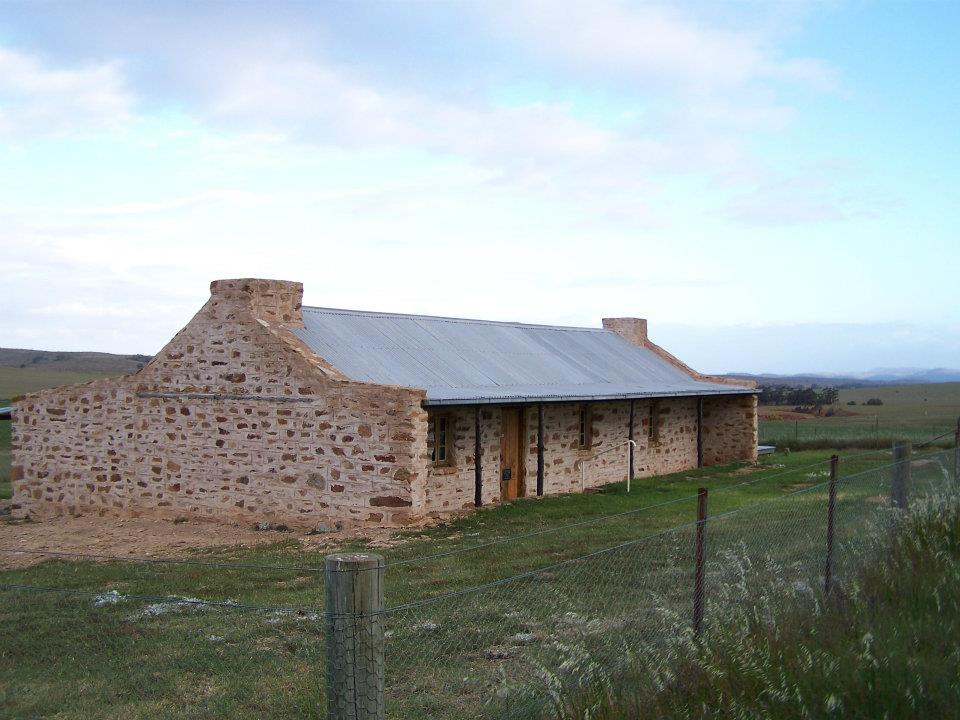
From early exploration and agriculture to the remarkable lives of pioneers, the Goyder region is full of compelling stories. One of the most extraordinary is that of Sir Hubert Wilkins; polar explorer, ornithologist, pilot, soldier, geographer, and war photographer. Wilkins was born and raised on a property called Netfield, near Mount Bryan East, a location that holds its own naming story.
He walked each day to the nearby Mount Bryan East School, which still stands today.
Visitors can explore Netfield and the restored Sir Hubert Wilkins Cottage, lovingly maintained as a tribute to his adventurous legacy. Local volunteers from Mount Bryan, Hallett, and Burra have spent countless hours researching Wilkins’ life and are always eager to share their knowledge with those keen to learn more.
The region also honours another early explorer, Henry Bryan, after whom Mount Bryan is named. Bryan was part of the 1839 expedition led by Governor Gawler, which sought to explore land upstream along the Murray River and the overland route from the Great North West Bend. Tragically, Bryan became lost during the expedition and was never found.
His story was brought to life in the 2010 locally produced film, They Rode Into History: The Story of the 1839 Mount Bryan Expedition. Featuring community members, including the local butcher in the role of Governor Gawler. The film captures both the history and the enduring spirit of the region.
Burra & the Goyder Region in film and other media
The Goyder Region has long captured the imagination of filmmakers and photographers, featuring in several acclaimed films and creative projects.
Movies such as Breaker Morant (1980), which used Redruth Gaol and the old Cactus Farm, helped establish Burra as a sought-after filming location. Wolf Creek 2 (2013) showcased the eerie beauty of the Unicorn Brewery Cellars, while The Water Diviner (2014) and Escape from Pretoria (2020) returned to Redruth, using its atmospheric stone buildings to dramatic effect.
More recently, The New Boy (2023) — written and directed by Warwick Thornton — brought renewed attention to the region. Filmed in and around Burra and the broader Mid North, the film stars Cate Blanchett, Deborah Mailman, and breakout talent Aswan Reid.
Set in 1940s rural Australia, The New Boy tells the story of a mysterious Aboriginal child with extraordinary abilities who is taken to a remote Christian monastery run by a renegade nun (Blanchett). The film blends themes of spirituality, colonialism, and Indigenous identity, capturing the stark beauty of the South Australian outback with haunting intensity.
More than 25 productions list Burra as a filming location on IMDb, a testament to the region’s timeless landscapes, cinematic light, and preserved colonial architecture.
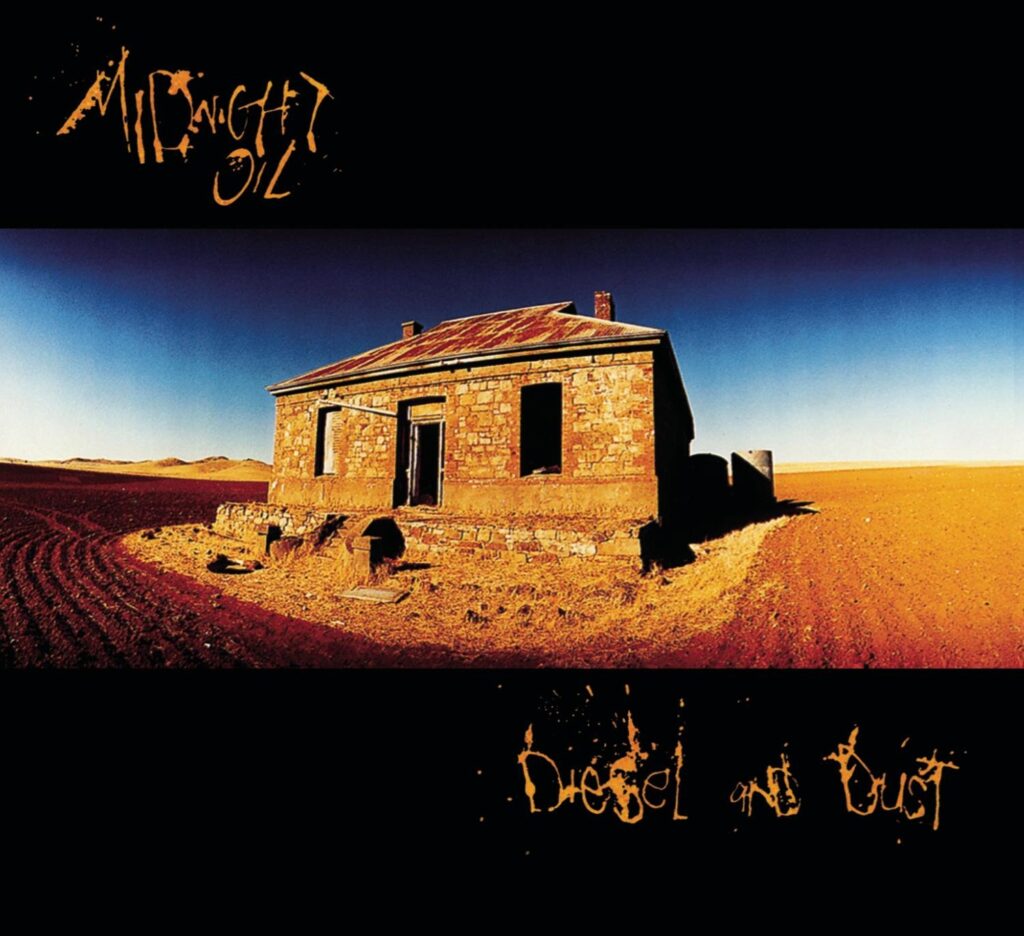
Midnight Oil House
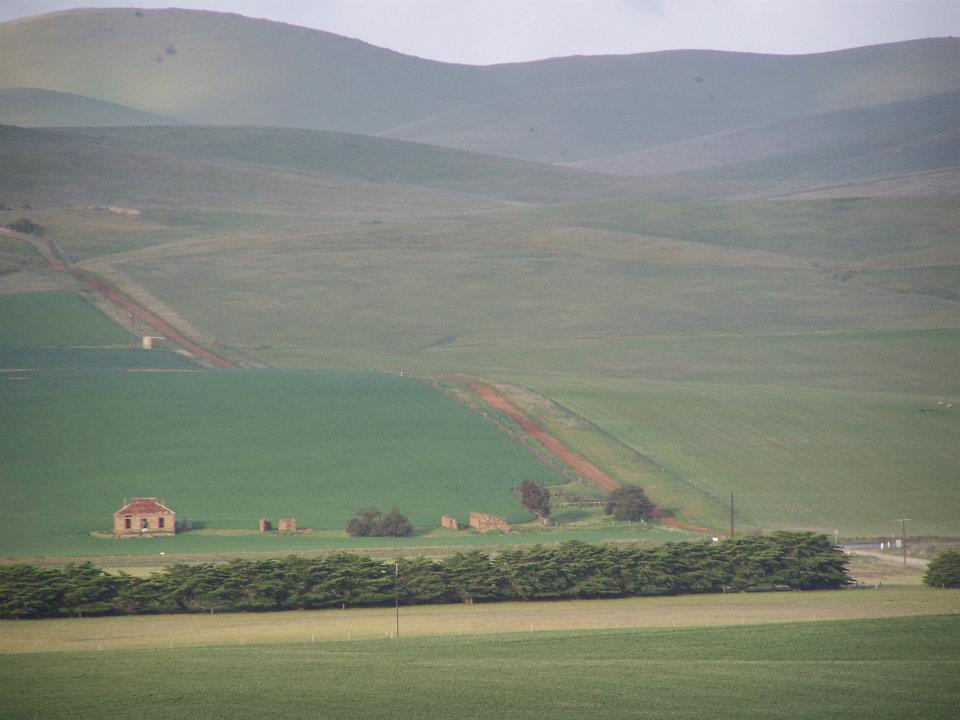
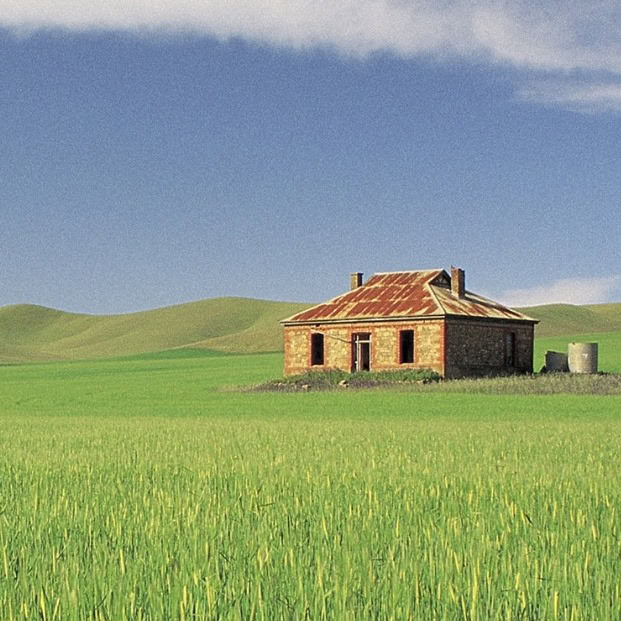
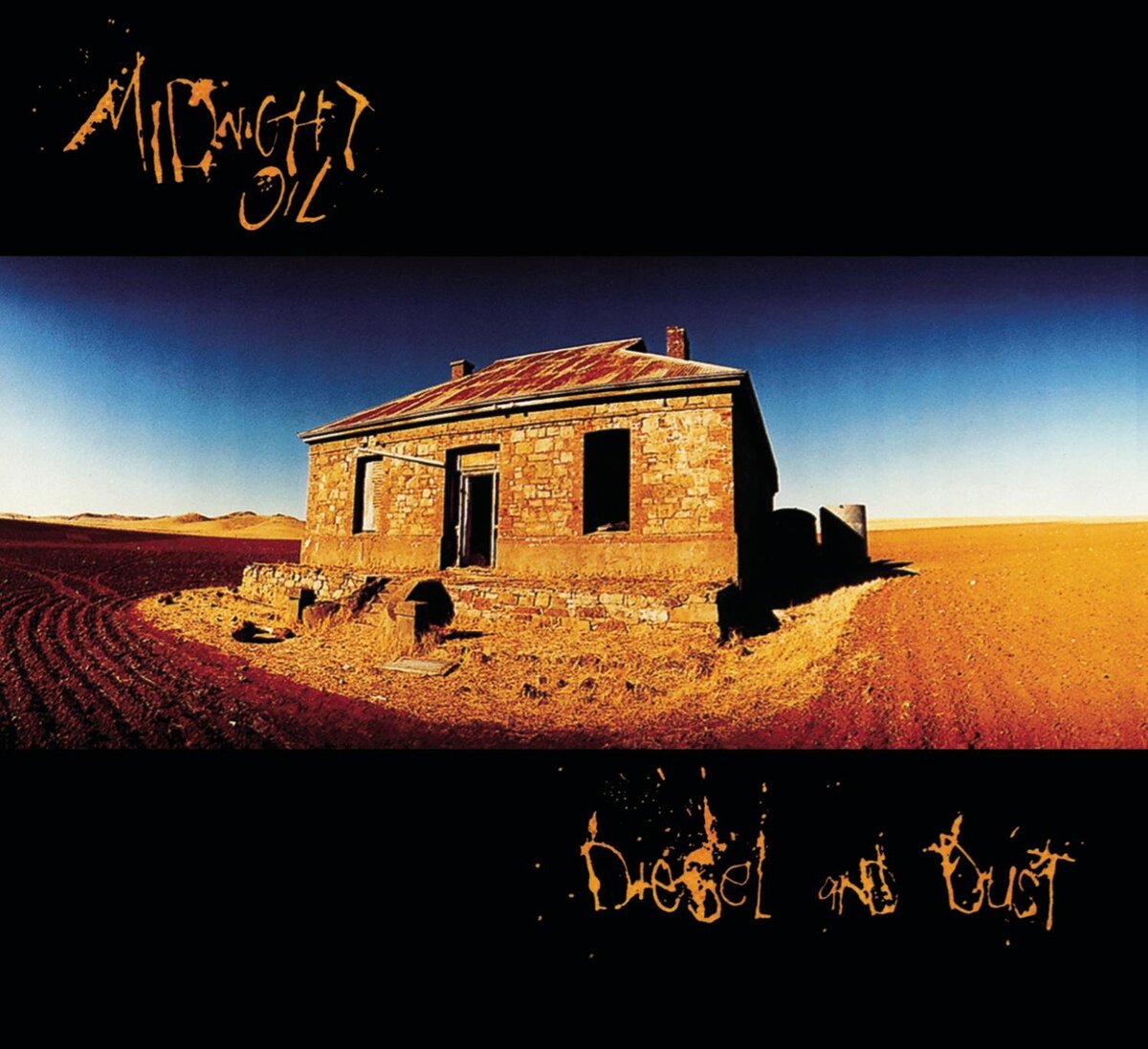
Just north of Burra lies one of Australia’s most iconic photo locations — the “Midnight Oil House”, located at Cobb & Co Corner, about 6km from town. Made famous on the cover of Midnight Oil’s 1987 album Diesel and Dust, the weathered farmhouse was first photographed by Ken Duncan, and remains a powerful visual symbol of Australia’s rural heartland.
The house was also featured in the memorable 2004 Qantas advertisement, where the Children’s Choir sang in the surrounding paddock — another moment where Burra’s haunting beauty made its way into the national imagination. (Look for it at 1:33 in the ad!)
Local Adelaide band, Sonic Divide, filmed a fantastic music video for their song, ‘I Wonder‘.
Terowie
Terowie is a small historic town located in South Australia’s Mid North, known for its well-preserved 19th-century streetscape and important role during World War II. Once a bustling railway hub, Terowie was a key transfer point where freight and passengers switched between broad and narrow gauge rail lines.
In March 1942, during one of the most pivotal moments of World War II, U.S. General Douglas MacArthur made an unexpected yet historically significant stop in the small South Australian railway town of Terowie, just north of Burra.
Forced to flee the Philippines after the Japanese invasion, MacArthur traveled across Australia by rail on his way to establish a new command base in Melbourne. Upon arriving in Terowie on March 20, 1942, during a routine military train transfer from narrow to broad gauge lines, he addressed waiting journalists with words that would echo across history:
“I came out of Bataan and I shall return.”
These defiant words—first spoken on South Australian soil—were broadcast globally and became a rallying cry for Allied forces in the Pacific.
Although the visit lasted only a few hours, MacArthur’s brief stop placed Terowie firmly on the wartime map. Nearby Burra, a larger and better-known regional centre, also played its part in supporting the war effort, offering accommodation and logistics support for troops and officials traversing the Mid North.
Today, Terowie’s railway platform is preserved as a heritage site, proudly commemorating the moment a world-renowned military leader helped shape the course of the Pacific War—with a declaration made in a quiet corner of South Australia.
Today, Terowie is a heritage-listed township, offering visitors a glimpse into Australia’s colonial and wartime past.
Thanks for reading..
We have been operating the Burra Motor Inn for close to 14 years now, and it never ceases to amaze us, the incredible amount of history one can learn from this region. You name it, you can quite probably learn something about it here!
The Burra & Goyder Visitor Information Centre is a great place to start for help accessing information. If they can’t help you with your enquiries, please let us know. If we can’t help you, we can very likely put you in touch with local experts and volunteers that can help you on your journey of discovery.
Visit the Burra National Trust and Burra and Goyder Visitor Information Centre Facebook photo albums for a pictorial sample of Burra, examples of some of the sites the you can see with the Heritage Pass, and the Goyder surrounds, or search for informative and entertaining videos to watch on Youtube (try some of keywords highlighted in bold above).
Thank you for taking the time to read a little about our amazing region. Come along and enjoy a nature and history based experience in Burra & the Goyder Region. Enjoy the #GoyderGoodness!
#visitburrasa #burramotorinn #jumbucksrestaurant
Photo gallery